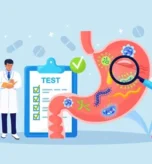
Over 4 million people are treated for stomach ulcers in the United States alone. Stomach ulcers occur when open sores are found in the stomach lining. Luckily it’s treatable, but if left untreated can cause serious complications.
Types of Ulcers
There are two types of ulcers:
- Gastric ulcer
- sores in lining of stomach
- stomach ulcers fall under this category
- Duodenal ulcer
- sores on upper section of small intestine
Early Signs of Stomach Ulcers
Abdominal pain
A key indicator is persistent burning or gnawing pain that can worsen with an empty stomach . Could last a few seconds or hours
Indigestion or Heartburn
Ulcers can increase feelings of indigestion or heartburn Heartburn is a burning feeling near your heart or upper stomach occurs when stomach fluid goes to the esophagus
Nausea or Vomiting
Ulcers trigger inflammatory response inside the stomach, this can lead to stomach contractions or nausea. If they last long enough it can lead to vomiting
Unexplained Weight Loss
A block in your digestive system can be caused by ulcers due to inflammation. Preventing food from moving in your stomach can trigger weight loss and decrease your appetite.
Stool color change
If your stool is a black color you may have a bleeding ulcer. This may lead to urgent medical attention as it can cause serious complications.
How are stomach ulcers diagnosed?
Endoscopy
An upper endoscopy goes inside the stomach with a tiny camera on a long tube which goes down your throat. Through the tube, healthcare providers can pass long and narrow tools. These tools can collect tissue sample to test for H. pylori infection and help treat stomach ulcers on sight.
H pylori infection
Specific tests would be breath, blood or stool test
Upper GI X-Ray
Identifies stomach ulcer without going into the stomach
Ways to Treat Stomach Ulcers
Stomach ulcers are treatable. Your healthcare provider will help find which treatment suits you. Here a few ways in which stomach ulcers are treated:
Medical Procedures
If you have a complicated ulcer, a healthcare provider may need to treat it directly. They can do this during your endoscopy exam. Providers treat bleeding by cauterizing or injecting medication into the wound. If you have a hole, a colorectal surgeon may need to stitch it.
Medications (Antibiotics)
If suffering from H. pylori or other bacterial infection, a healthcare provider will prescribe some combination of antibiotics to kill the bacteria
Cytoprotective agents
These medicines help to coat and protect your stomach lining
H2 blockers
These drugs reduce stomach acid by blocking the chemical that tells your body to produce it
PPI
These drugs help reduce stomach acid and also coat and protect your stomach lining to promote healing
To potentially address early signs of stomach ulcers, focus on dietary changes, reducing stress, and managing medication use. A balanced diet with fiber, avoiding trigger foods, and incorporating relaxation techniques can be helpful. Additionally, limiting NSAID use and consulting a doctor about alternative pain relief options is crucial. If you have any questions please contact our office.